
Exploring digital tools to support jobs search
By Amandine Moignard, Executive Secretary of WAPES
Workshop organised by ULB (Free University of Brussels) and Cornell University
About the workshop
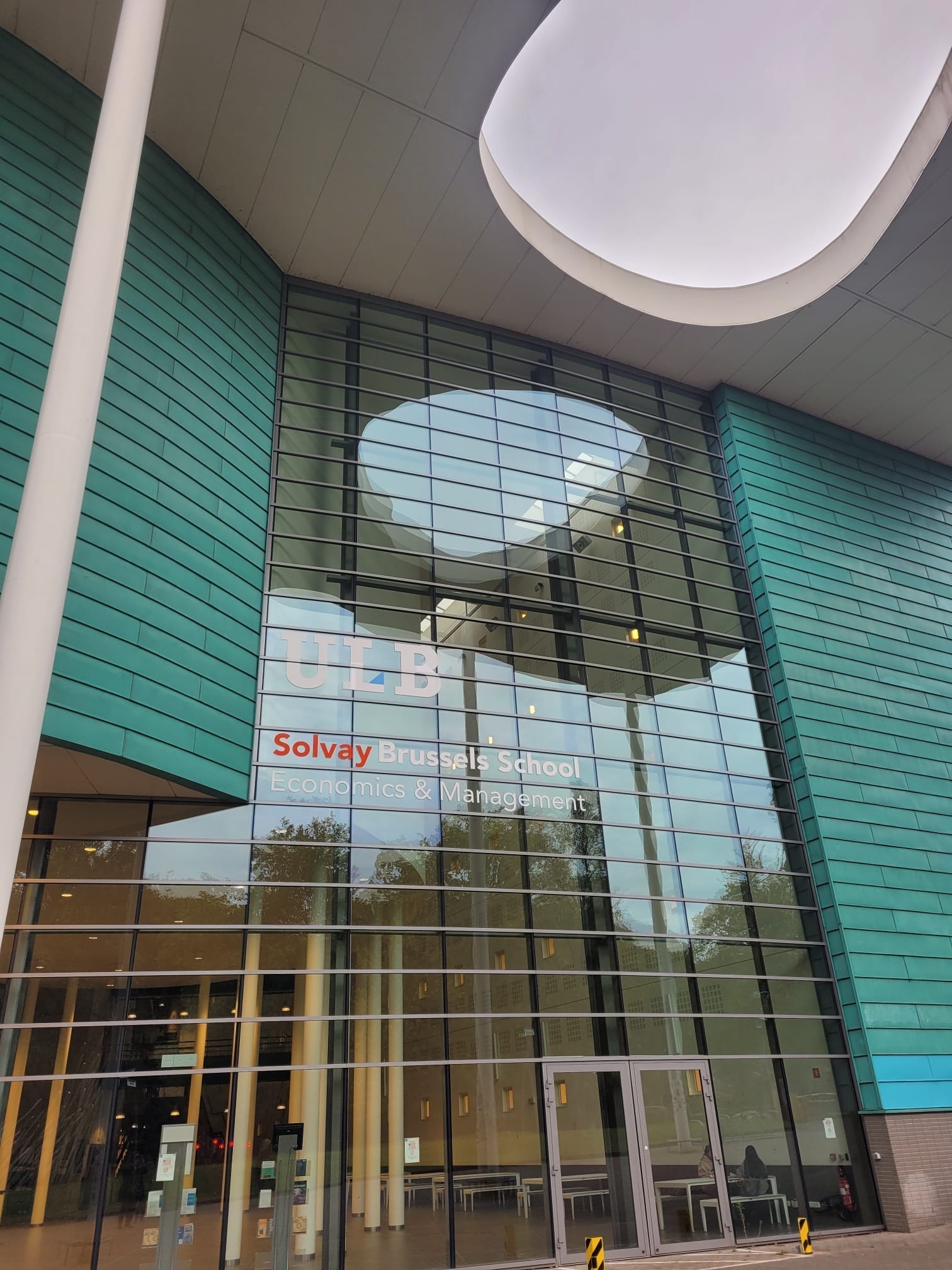
On 3 October 2025, I had the honour of participating in the workshop ‘Digital Tools to Support Job Search’ on behalf of WAPES, held at the Free University of Brussels. Organised by a group of researchers from Cornell University, Maastricht University, Erasmus University Rotterdam and the FUB, this event brought together experts and practitioners from across Europe to reflect on a key question: how can digital tools effectively support job seekers and strengthen the work of public services?
From the very first discussions, I sensed a shared energy: that of professionals convinced that technology, when well designed, can become a driver for inclusion. But there was also a shared awareness that the success of digital technology depends on cooperation, trust and people.
Inspiring experiences from across Europe
The morning highlighted some exciting initiatives. From France to Switzerland, each speaker shared the results of concrete projects using AI (artificial intelligence) or algorithms to better guide job seekers.
In France, the VADORE project showed that an algorithm co-developed with the public employment service could strengthen user engagement.
In the Netherlands and the United Kingdom, experiments conducted with public administrations revealed that simply sending personalised emails could increase return to work by 30%.
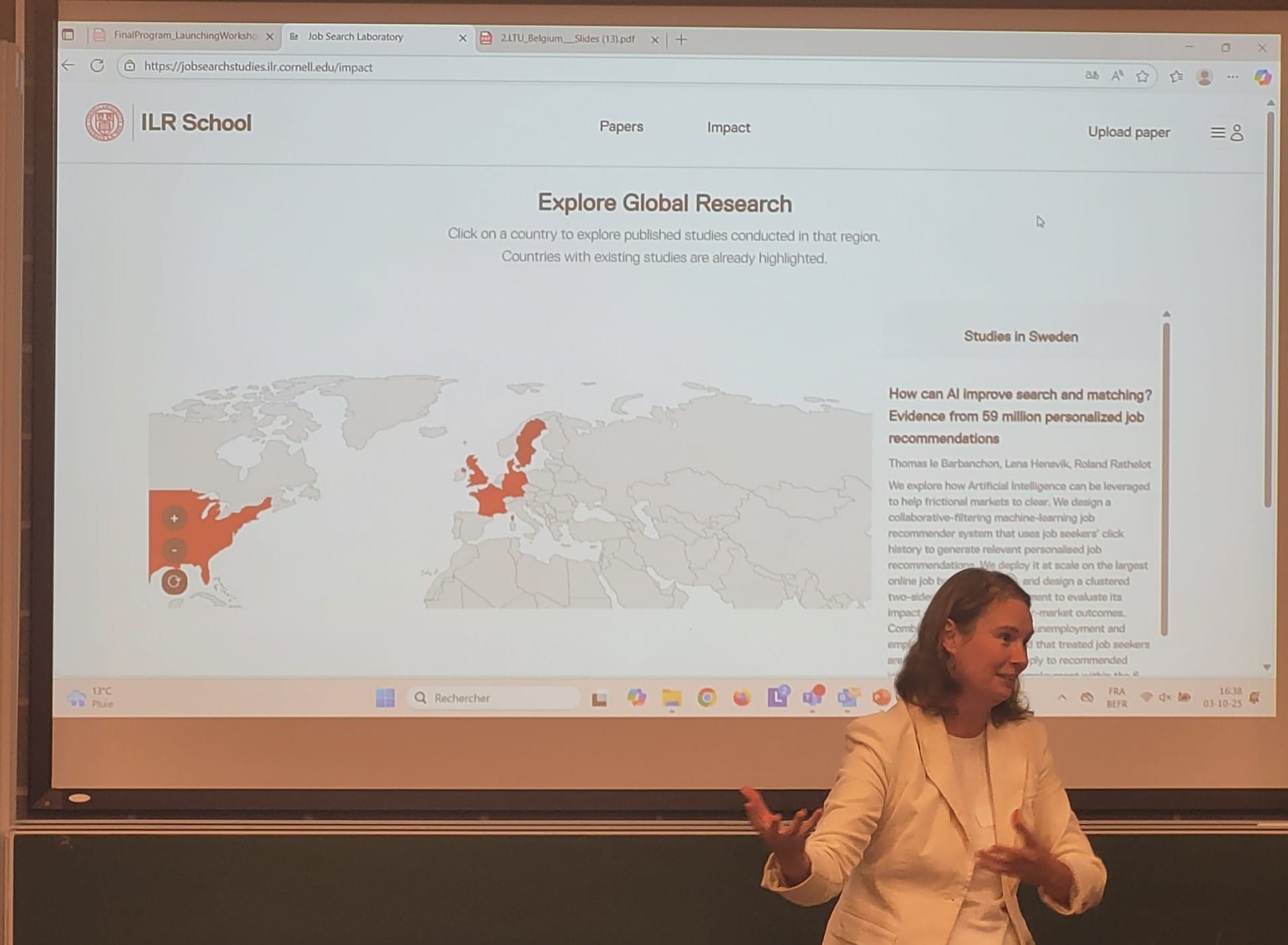
In Sweden, the Platsbanken.se platform uses click histories to recommend suitable job offers, with promising results for the least qualified individuals.
In Switzerland, the Jobs4You project combines automatic recommendations with cognitive AI training, while in Belgium, Le Forem is exploring strategies to encourage training in shortage occupations.
Everywhere, the same findings emerge: digital tools can improve the effectiveness of employment services, provided they are co-developed, field-tested and supported by a genuine culture of collaboration.
Fairness and trust at the heart of discussions
The discussions then turned to major ethical issues: how can fairness and transparency be guaranteed in algorithms?
The speakers emphasised the need to co-develop experiments with operational teams to ensure genuine ownership and avoid exclusionary effects.
These debates echo WAPES’ priorities: thinking of the digital transition not as a race for technology, but as a shared transformation focused on people’s needs.
Realities on the ground: public services have their say
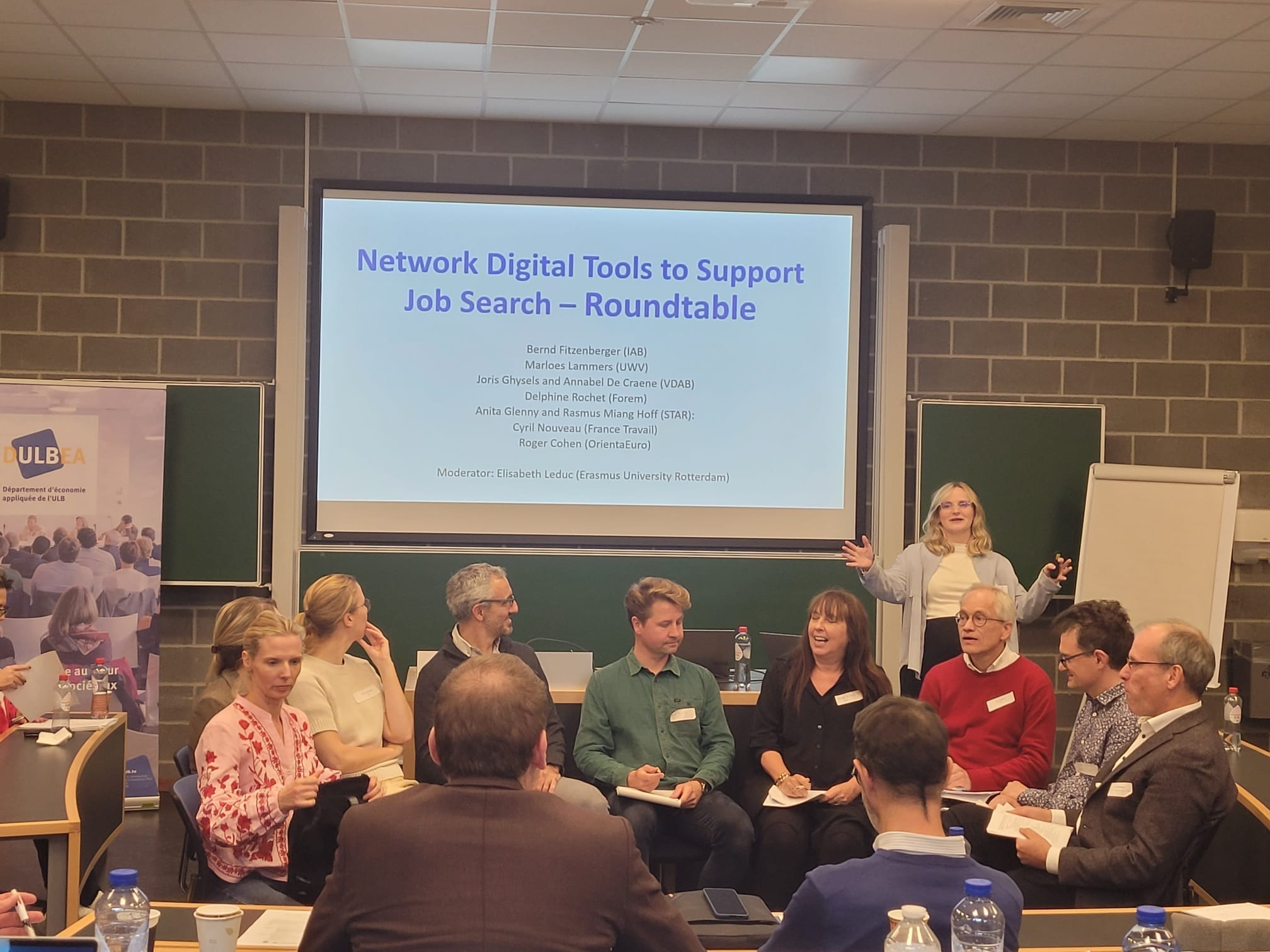
Representatives of public employment services – such as VDAB (Flanders), France Travail (France), Le Forem (Wallonia), FEA (Germany), UWV (Netherlands) and STAR (Denmark) – shared their experiences of deploying these tools in various national contexts.
The round table discussion with practitioners highlighted several key issues:
- the importance of confident usage of digital tools among advisers and jobseekers,
- the quality and reliability of data,
- ethical considerations surrounding recommendation algorithms,
- and the need for greater cooperation between researchers and public services to test and evaluate innovations.
Innovation cannot be imposed: it must be understood, adapted and supported collectively.
These frank exchanges showed that lasting collaboration between researchers and institutions is a prerequisite for successful innovation.
Towards a new generation of intelligent tools
The following presentations paved the way for new approaches: machine learning to improve job matching, intelligent profiling for personalised career paths, and behavioural interventions to boost motivation. All these topics highlight one obvious fact: digital tools do not replace advisors, they help them to provide better support.
Looking to the future, together
At the end, the organisers announced the creation of a permanent network between researchers and public employment services. A joint platform for sharing research and experiments is already underway, spearheaded by Cornell University: Job Search Laboratory
I suggested that WAPES could play a facilitating role by connecting stakeholders, promoting best practices and supporting the international dissemination of digital innovations for employment.
Looking to the future, together
This day in Brussels was a source of great inspiration for me. It reminded me how much the digital transformation of public services relies not only on technology, but also on cooperation between those who design, implement and experience it daily.
After this meeting, I am convinced that digital technology, if it is inclusive and supported, can become a powerful tool for empowerment. Digital technology is not an end in itself, but a driver to better support people towards employment.
I leave this workshop with a strong feeling: PES are already doing a lot in the digital field, and researchers have a real desire to contribute their expertise to measure impact and improve practices. Together, we can create an international community of learning and innovation around digital tools for job search.
More than ever, I see WAPES as a catalyst for these collective dynamics, connecting experiences, amplifying learning and giving a voice to innovations that make the labour market fairer and more human.
A big thank you to the organisers – Michèle Belot (Cornell University), Bart de Koning (Cornell University), Didier Fouarge (Maastricht University), Elisabeth Leduc (Erasmus University Rotterdam) and Ilan Tojerow (FUB) – for the quality of this event and the rich exchange between the academic world and public employment services.