

image source: courtesy of RISPE
Advancing women’s employment and training: common principles adopted by the Ibero-American Network of Public Employment Services (RISPE)
Published by the WAPES Secretariat, 9 March 2026
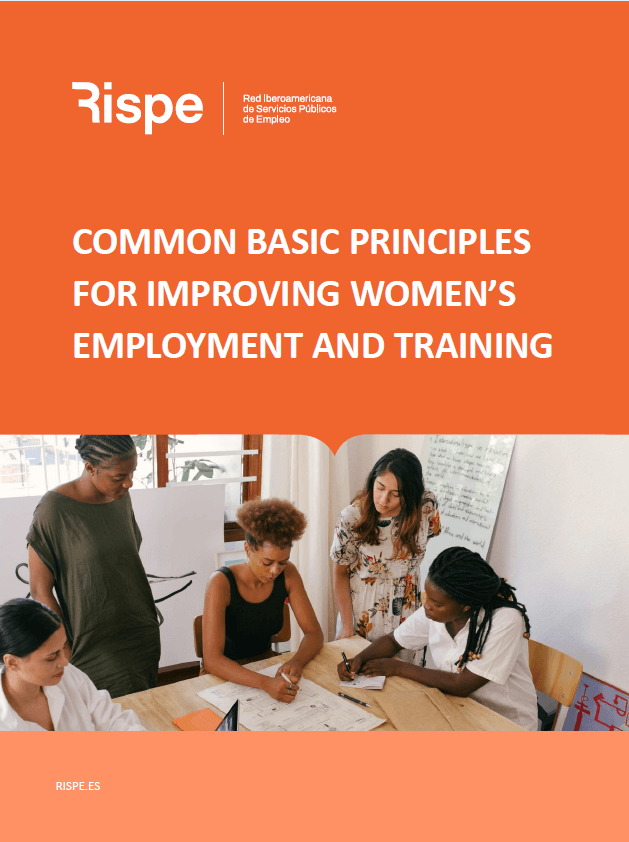
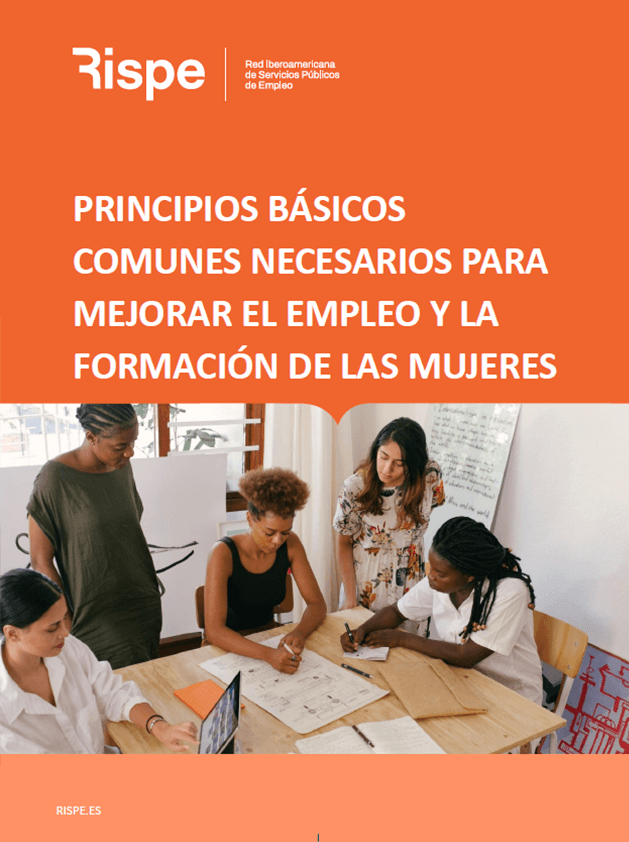
RISPE statement on the Common Basic Principles for Improving Women’s Employment and Training
Women face similar challenges in different countries in relation to employment and training, such as those related to: inequality, various gaps (digital, green, demographic), existing social barriers, wage inequalities, and informality.
The 17 member countries of RISPE considered it necessary to adopt common principles to improve women’s employability and integration into the labour market.
Cooperation between Public Employment Service (PES) networks plays a key role in sharing experiences and promoting more inclusive employment policies. In this context, the Ibero-American Network of Public Employment Services (RISPE), made up of 17 countries, has recently adopted the Common Basic Principles for Improving Women’s Employment and Training, reaffirming the commitment of member countries to promoting gender equality in labour markets.
“Promoting women’s employment and training is essential to moving towards more inclusive, dynamic and sustainable labour markets.” RISPE Declaration – Common Basic Principles for Improving Women’s Employment and Training
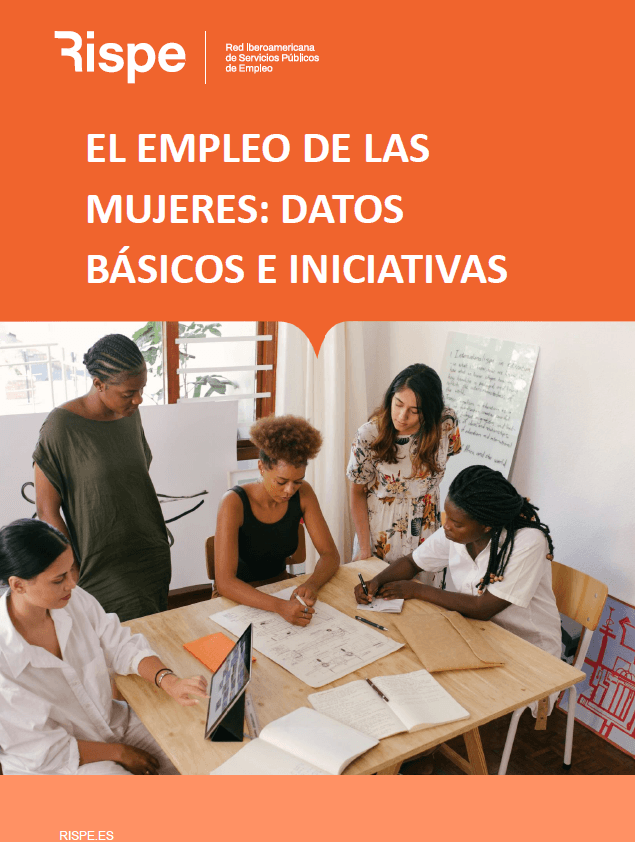
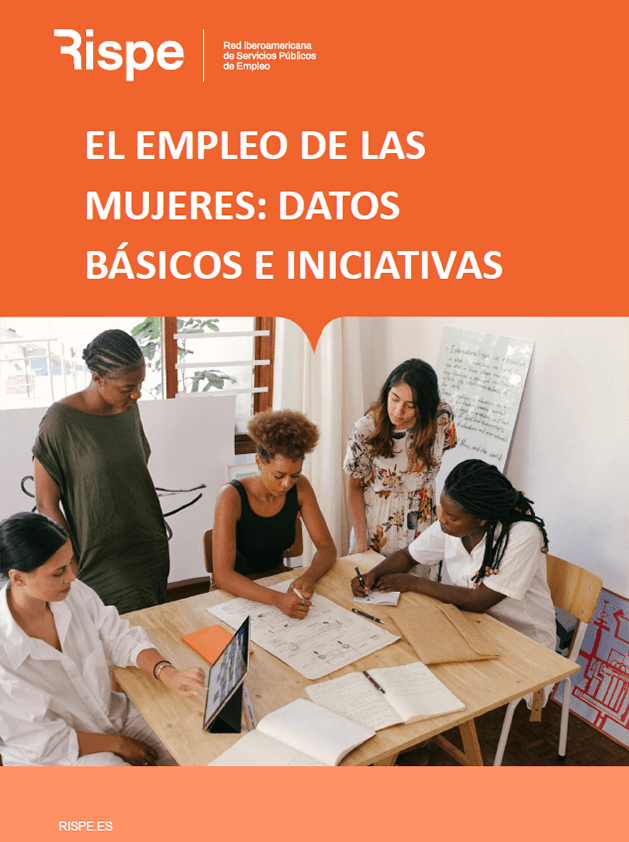
This declaration is the result of joint work carried out by the countries that are members of RISPE (in order of accession: Spain, Costa Rica, Chile, Cuba, Portugal, Colombia, Uruguay, Brazil, Ecuador, Panama, Mexico, Dominican Republic, Peru, Honduras, Bolivia, Paraguay and Guatemala) and is based on the report “Women’s employment: basic data and initiatives”, which analyses the situation of female employment and compiles various initiatives implemented in each of the aforementioned countries in the region to improve women’s participation in the labour market.
Public employment services play a key role in this area, as they act as intermediaries between job seekers, employers and public employment and training policies. In this context, the principles adopted by RISPE highlight the importance of strengthening policies and programmes aimed at promoting equal opportunities and women’s access to quality employment.
Main ideas of the declaration
The declaration highlights several key elements for advancing the improvement of women’s employment and training:
Public Employment Services can actively contribute to reducing gender gaps in the labour market through inclusive labour intermediation policies and specific programmes targeting women.
2. Strengthening access to training and skills development
Access to training and skills development programmes is essential to improving women’s employability, especially in sectors with higher demand for skills.
3. Supporting work-life balance
Policies that facilitate work-life balance, such as childcare services, flexible working hours or adapted working arrangements, can encourage women to participate in the labour market and remain in employment.
4. Promote institutional cooperation
Coordination between public employment services, educational institutions, employers and other public and private entities is essential for developing integrated responses that promote female employment.
Recommendations and perspectives
The principles adopted by RISPE highlight the need to continue strengthening public policies aimed at gender equality in employment. Among the key recommendations are:
• Integrating the gender perspective into active employment policies.
• Develop training programmes that respond to labour market needs and promote women’s participation in emerging sectors.
• Strengthening cooperation between institutions to improve the effectiveness of employment and training policies.
• Share good practices and experiences between countries and Public Employment Service networks.
These initiatives contribute to moving towards more inclusive labour markets and fully harnessing women’s talent and skills.
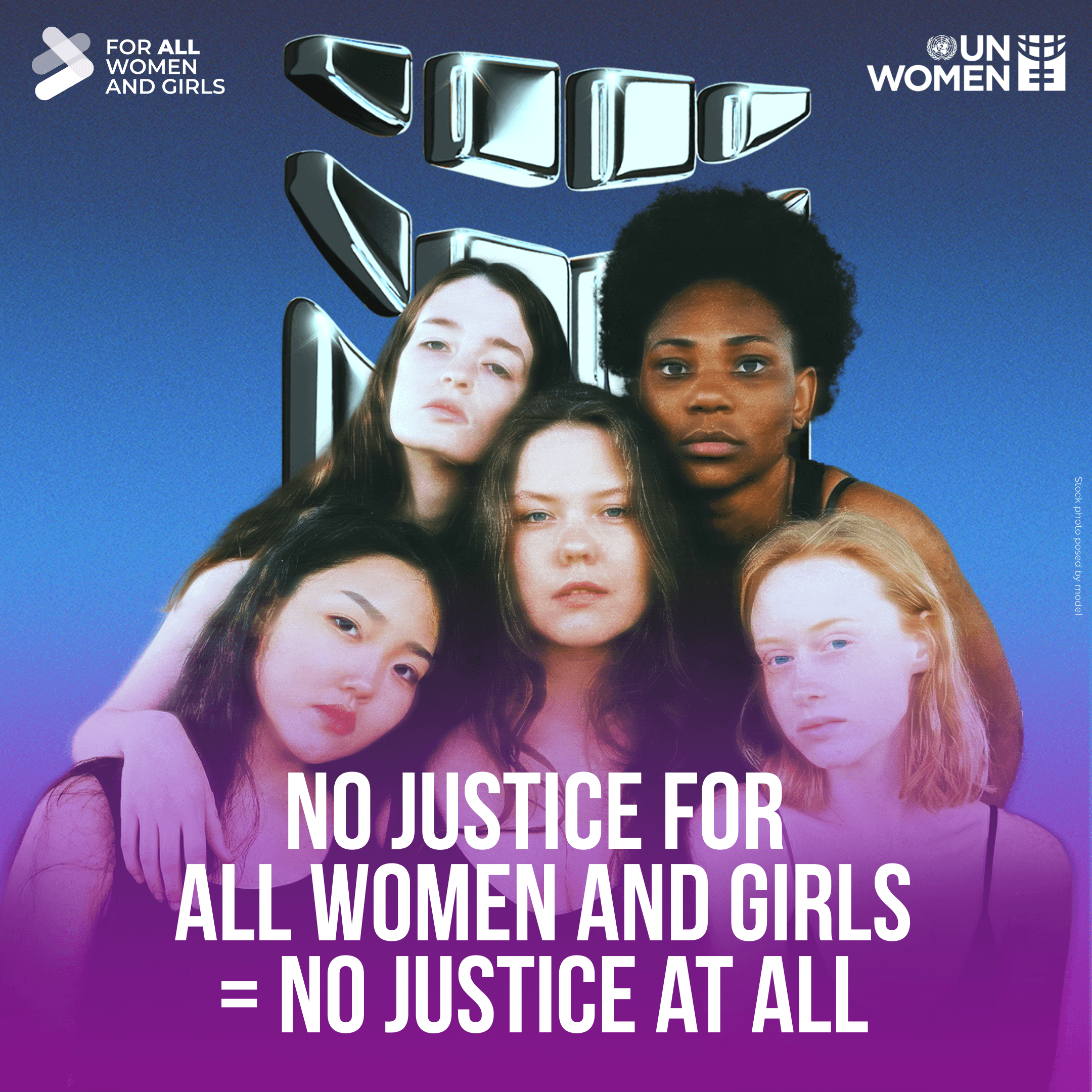
In an international context in which International Women’s Day 2026 is celebrated under the slogan “Rights. Justice. Action. For ALL Women and Girls”, initiatives such as that adopted by RISPE remind us of the importance of continuing to move towards fairer and more inclusive labour markets. Ensuring equal opportunities in access to employment, training and professional development is part of a broader effort to ensure that women can fully exercise their economic and social rights.
📄 Related documents
• Statement: Common Basic Principles for Improving Women’s Employment and Training (ES / EN)
• Joint report: Women’s employment: basic data and initiatives (in Spanish)
About RISPE
The Ibero-American Network of Public Employment Services (RISPE) is a platform for cooperation between 17 public employment services in Ibero-American countries. Its objective is to strengthen employment policies through the exchange of experiences, the development of joint initiatives and the promotion of good practices among participating institutions.
Through its activities, RISPE contributes to improving the effectiveness of public employment services and promoting more inclusive labour markets in the region.
Member countries (in order of accession): Spain, Costa Rica, Chile, Cuba, Portugal, Colombia, Uruguay, Brazil, Ecuador, Panama, Mexico, Dominican Republic, Peru, Honduras, Bolivia, Paraguay and Guatemala.